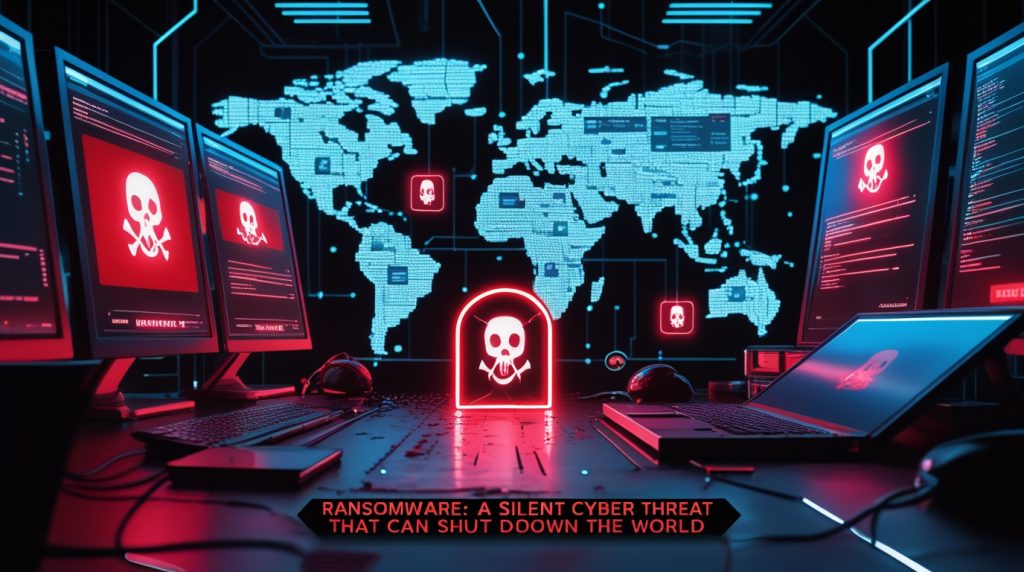
These days, data runs the show. Every part of life—people, companies, even governments—leans on it. Photos, emails, banking details, you name it. All our stuff lives in devices and servers, and, honestly, that puts us on shaky ground. Ransomware knows this. It isn’t some rare, mysterious cyber-attack anymore. It’s everywhere. Hospitals freeze up, businesses stall, government offices can’t get anything done. The fallout? It drains bank accounts and frays nerves.
Here’s the real kicker: ransomware doesn’t just steal your files. It locks them down and demands money. Suddenly, your own data is holding you hostage.
This guide lays it all out—what ransomware actually is, how it works, why it keeps popping up, who it targets, what the damage looks like, and, most importantly, how you can stop it before it ever gets to you.
What Is Ransomware?
Ransomware is basically a digital shakedown. It’s a nasty bit of software that locks you out of your own files or systems, then demands a ransom—usually in cryptocurrency—before it’ll give back access. The moment it gets in, it scrambles your files with heavy-duty encryption. Right after, a ransom note pops up, asking for payment in exchange for the key to unlock everything.
Attackers want one thing: your money, and fast. They play on fear and panic, counting on you not having a backup plan. The tough truth is, there’s no guarantee you’ll ever get your files back, even if you pay up.
Core Traits of Ransomware:
- Files or whole systems get locked down or encrypted.
- Victims see a ransom demand.
- Attackers use deadlines and threats to crank up the pressure.
- They want payment in cryptocurrency.
- There’s no promise you’ll actually recover your data.
The Evolution of Ransomware
Ransomware didn’t start out this sneaky. The first versions were clumsy and pretty easy to get rid of. But over the years, hackers got smarter.
At first, ransomware just froze your screen. Now, it encrypts everything with top-grade cryptography, jumps from one computer to another, wipes out backups, and even steals your data before locking it up. The whole thing got a boost with Ransomware-as-a-Service (RaaS), making it so anyone—even people with barely any hacking skills—can launch their own attack.
Today, ransomware isn’t just a nuisance. It’s a full-blown, organized criminal business.
How Ransomware Attacks Happen
Every ransomware attack follows a playbook. If you know the steps, you’ve got a better shot at stopping it.
1. Initial Access
Attackers break in by:
- Sending phishing emails loaded with dangerous attachments or links.
- Tricking people into installing fake updates or downloads.
- Targeting systems that haven’t been patched.
- Exploiting weak or exposed Remote Desktop Protocol (RDP) logins.
2. Malware Deployment
Once inside, here’s what happens:
- The ransomware gets downloaded onto the system.
- Security tools might get switched off.
- The malware runs quietly in the background.
3. Lateral Movement
Ransomware hunts for more victims by moving through:
- Everything connected to the network.
- Shared drives.
- Servers and databases.
4. Data Encryption
It encrypts the important stuff, like:
- Documents.
- Databases.
- Images and even your backups.
5. Ransom Demand
Finally, you see a message demanding money, which usually comes with:
- Steps on how to pay.
- A strict deadline.
- Threats that your data will be lost forever or leaked if you don’t pay up.
Why Ransomware Keeps Spreading
Let’s be honest — ransomware is everywhere because it works. Hackers love it for one simple reason: money.
Why is it growing so fast? Well, a few things make it the perfect crime:
- Cryptocurrency keeps payments untraceable.
- People make mistakes, and hackers cash in on them.
- Ransomware-as-a-Service lets anyone get in the game, no tech skills needed.
- Remote work opens up more weak spots.
- Too many companies still don’t take cybersecurity seriously.
Attackers pick targets where downtime really hurts — hospitals, schools, small businesses — because those victims are more likely to pay up.
Different Types of Ransomware
Not all ransomware attacks look the same. Knowing the types helps you figure out what you’re up against.
Crypto Ransomware
- Scrambles your files and folders so you can’t use them.
- This is the most common, and it’s brutal.
- You need a special key to get your data back.
Locker Ransomware
- Locks you out of your computer or device.
- Doesn’t always mess with your files.
- Not as common as it used to be.
Double Extortion Ransomware
- Encrypts your data and steals it.
- Hackers threaten to leak your info if you don’t pay.
Mobile Ransomware
- Goes after phones and tablets.
- Usually spreads through sketchy apps.
Who Is Most at Risk?
Ransomware doesn’t care who you are, but some folks have bigger targets on their backs.
Who gets hit the most?
- Small and midsize businesses
- Hospitals and healthcare
- Schools and universities
- Government offices
- People working from home
These groups either don’t have strong defenses, or they need to get back online fast — and hackers know it.
What Happens When Ransomware Strikes?
It’s not just about the money. The fallout gets messy.
Here’s what can happen:
- Your business shuts down for days, maybe weeks.
- Customers lose trust in you.
- Legal trouble and fines pile up.
- Some data might be gone for good.
- Your reputation takes a hit.
In hospitals, ransomware has even delayed treatments, putting lives at risk.
The Psychological Impact on Victims
Getting hit with ransomware is a nightmare. Panic, fear, guilt, stress — it’s all there. Employees blame themselves for clicking the wrong link. Owners have to make gut-wrenching choices. Hackers know this and use pressure tactics, like countdown clocks and threats, to push people over the edge.
The emotional damage is real, and people don’t talk about it enough.
Should You Pay the Ransom?
Almost every cybersecurity pro will tell you: don’t pay. Cops say the same.
Why?
- Paying doesn’t guarantee you’ll get your stuff back.
- It encourages more attacks.
- You’re putting money in criminals’ pockets.
- You might even break the law.
Some people feel like they have no choice, but stopping attacks before they happen is the only sure bet.
How Do You Stop Ransomware?
A few smart moves make a huge difference.
What works?
- Keep backups — both in the cloud and offline.
- Update software and systems regularly.
- Use strong passwords and change them often.
- Turn on multi-factor authentication.
- Only give people the access they need.
- Use email filters and security tools.
And don’t forget — people are your first line of defense. Training matters as much as tech.
What If You Get Hit?
Stay calm. Don’t panic. Move quickly, but think clearly.
Do this right away:
- Unplug infected computers from the network.
- Tell your IT and security folks.
- Save all the evidence you can.
- Don’t rush to pay.
- Restore from backups if you have them.
Having a plan before disaster strikes saves time and headaches.
The Role of Ethical Hackers and Cybersecurity Teams
Ethical hackers and security teams are out there fighting back.
What do they do?
- Find and fix weak spots.
- Test your defenses.
- Watch for signs of trouble.
- Build response plans for when things go wrong.
As ransomware keeps getting worse, people with these skills are more valuable than ever.
Ransomware and the Legal Maze
Ransomware often crosses borders, making it tough to catch the bad guys. Some governments say you can’t pay ransoms, or they make you report attacks. Companies have to keep an eye on the rules and know what they’re legally required to do.
What’s Next for Ransomware?
Ransomware will get smarter, faster, and nastier. Attacks will be more personal — and more automated. Hackers are using AI and sneaky tricks to up their game. On the bright side, security tools are evolving too, with things like zero-trust models and smarter threat detection.
Why Staying Alert Wins
At the end of the day, ransomware feeds on people who aren’t ready. Training your team, setting up solid security, and keeping backups — these things make all the difference.
Cybersecurity isn’t just an IT problem anymore. Everyone has a part to play.
Final Thoughts
Ransomware isn’t just another tech headache. It can stop businesses in their tracks, mess with essential services, and turn lives upside down. This threat feels personal because, well, it is.
The good news? When you know how ransomware works and actually take security seriously, you cut your risk way down. These days, you can’t just hope for the best — you have to be ready.
So, keep your guard up. Stay sharp. Take action before something happens. That’s the smartest way to keep ransomware out of your life. Explore More about Ransomware
Explore Our Cybersecurity Category